
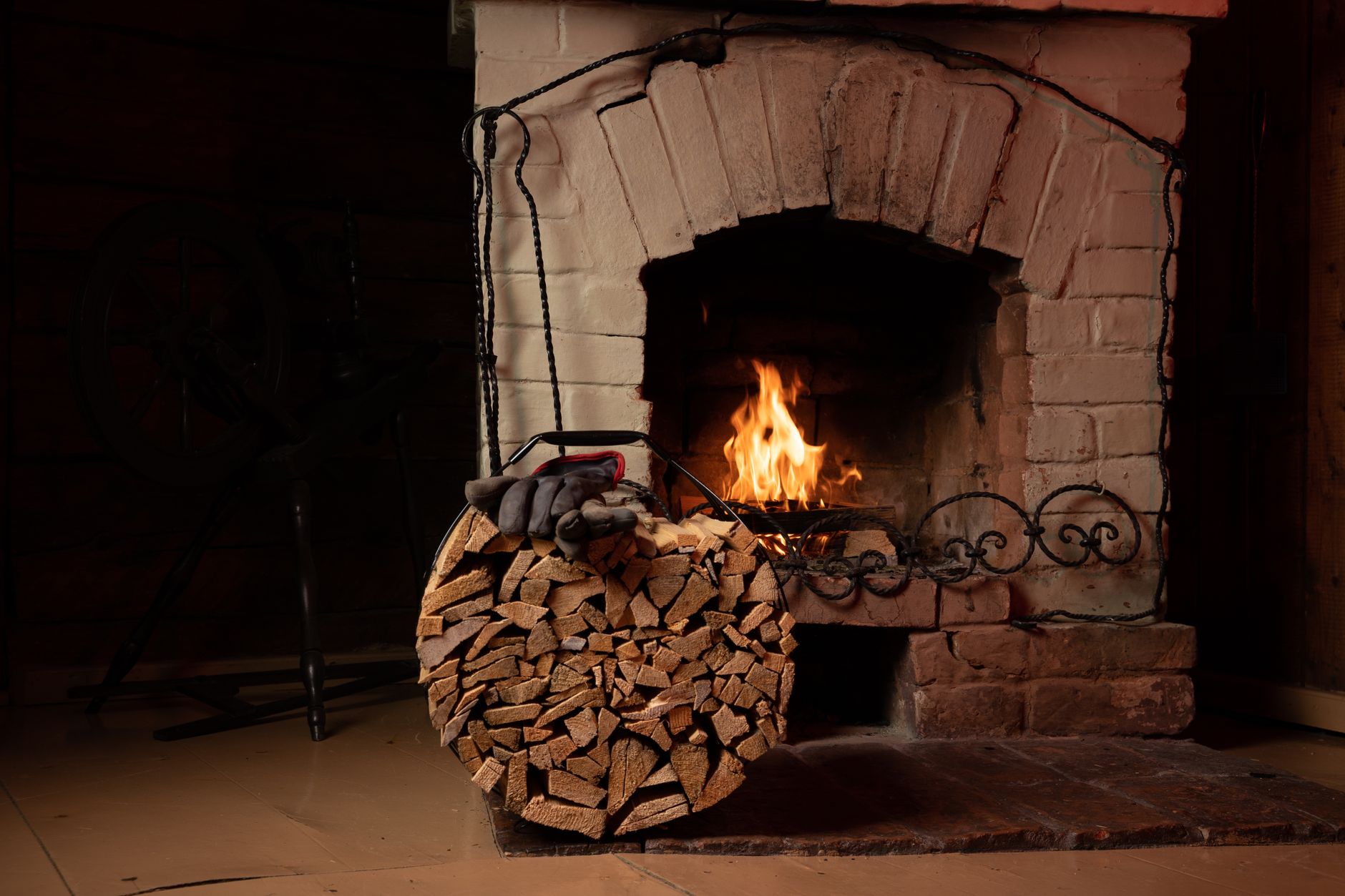
A fireplace that changes tenants should change hands safe
Plan a vacancy inspection
Tell us which units are emptying soon and the fireplace count in each. We call back to plan the visit.
The move-out checklist, item by item
Our turnover visit follows a fixed list so every unit in your file is checked the same way. It is a Level 1 inspection, the visual check of what can be reached and seen, done at the moment the unit is empty and easiest to work in.
Each item gets a pass, a note or a fail, with a photo for anything that is not a pass. The list fits on one page, and that page goes in the unit file.
- Firebox floor and walls: cracks, loose brick, burned items left behind
- Damper: opens, closes and seals; clamp in place on gas units
- Doors or screen: present, latching, glass whole
- Hearth: no cracks that could let a spark reach the floor below
- Cap and spark screen: present, fixed and whole
- Smoke and carbon monoxide alarms: present in the unit
Why the turnover is the moment to look
A vacant unit is the only time you can get to the fireplace without moving someone's furniture or asking them to be home. It is also the moment when the history of the fireplace is least known. The outgoing tenant may have burned scrap lumber, packaging or nothing at all, and the incoming one will assume whatever is there is safe to use.
In this part of the San Gabriel Valley that assumption matters most in the fall. A new tenant who lights the first fire on a windy evening, with a torn spark screen overhead, is the case we are trying to prevent. Checking the top of the chimney at every turnover closes that gap.
One dated record per fireplace
Each fireplace gets its own short report with the date, the unit, the checklist and photos. Owners, insurers and the next manager can read it without any background. If a fireplace fails an item, the report says what the fix is and whether the unit can be rented with the fireplace in use or should be marked do not use until repaired.
For a building with many fireplaces, the reports come together in one set, one page per fireplace, so the file is easy to keep and easy to hand over.
When a unit needs more than the checklist
Some units show signs that a visual check cannot settle: heavy soot, a damper that will not move, smoke stains above the opening, or a sign of a past chimney fire. For those we recommend a camera inspection of the flue. Where the soot is thick, a sweep comes first so the camera can see.
Neither is added without your approval. The turnover report flags the unit and the reason, and you decide. Read more on the [chimney inspection page](/services/chimney-inspection) and the [sweep page](/services/chimney-sweep).
Turnover prices
The checklist visit is priced per fireplace, so a building with eight fireplaces costs eight times the single figure. The other two lines apply only to units that need them.
- Between-tenant checklist, each fireplace
- $57
- Camera run for a unit that shows damage
- $405
- Soot removal for a heavily used unit
- from $435
Questions from managers
Can you check several units on one trip?
Yes. Send the list of vacant units and we plan them as one visit, building by building, with one report per fireplace.
Who needs to be there?
Only someone to open the doors, or a lockbox code. We do not need the incoming tenant there.
Do gas fireplaces get the same checklist?
Yes, with the gas items added: the pilot, the valve, the damper clamp and the vent. The cap and screen check still applies if the unit vents through a masonry flue.
What happens if a fireplace fails an item?
The report says what the fix is and whether the fireplace should be marked do not use until it is done. Repairs are quoted separately.
Do you keep copies?
We send the reports to you and anyone you name. Keeping the unit file is up to you, so it stays complete when management changes.
Plan the next turnover
Use the contact page to list the units coming empty and the fireplaces in each. We return a plan and the total, priced per fireplace.
Call (626) 557-0059