On a chimney, a leak today becomes an ember path later. Rain soaks into the top of a brick stack, the wet and dry swings of each year work at it, and over time they loosen the mortar and the concrete cap the spark screen is bolted to. By the next fire season the screen is rattling loose, a gap has opened beside the flue tile, and embers have a path. So when a homeowner in South El Monte calls us about a stain, we look at it as a fire question too.
This post sets out what we charge to find and fix a chimney leak, the related jobs that often come with it, and what decides where a house lands.
What each job costs
| Job | Price |
|---|---|
| Tracing a chimney leak to its source and sealing it | $585 to $3,500 |
| Peaked diverter (cricket) built on the uphill side of a wide stack | $465 to $1,050 |
| That diverter together with a full set of new roof flashing | $700 to $1,750 |
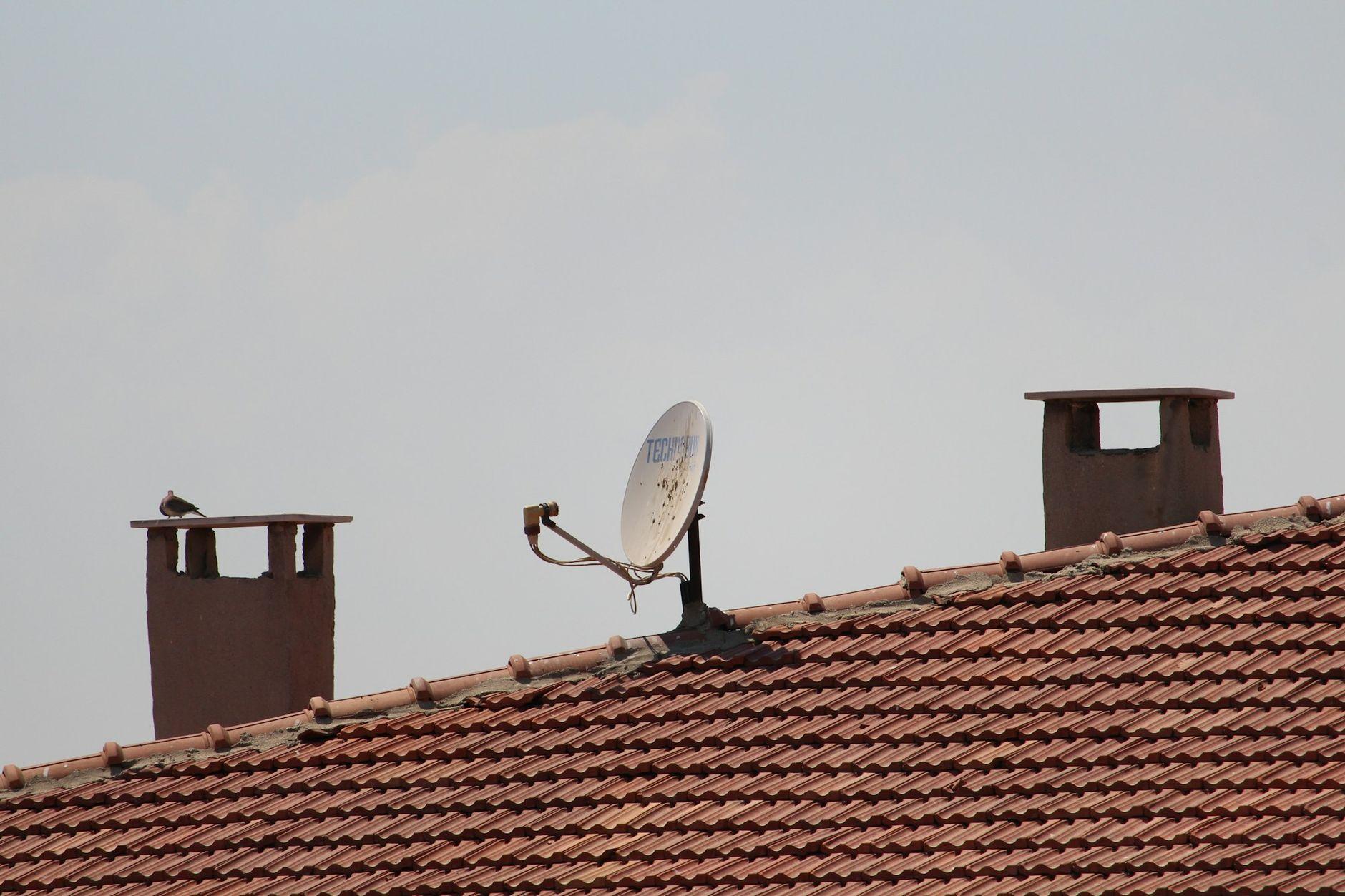
| Spark screen cap to close the open flue top | quoted after we measure |
Most leak jobs we see around South El Monte and El Monte fall in the lower half of the first row. The biggest job is for leaks with several sources at once, tall chimneys, and roofs that are hard to work on.
Where the water usually gets in
There are five places we check on every leak call, roughly in order of how often they turn out to be the cause:
- The roof joint. Metal pieces seal the line where the roof meets the brick. When they lift, rust, or were sealed only with caulk, water runs straight in.
- The top of the chimney. The poured cap over the masonry cracks with age. Water goes down through the cracks and into the brick below.
- The open flue. With no cap, rain falls into the flue, wets the smoke chamber and rusts the damper.
- The brick and mortar. Old, soft mortar joints let wind driven rain soak into the stack.
- The uphill side. Once a stack runs past roughly two and a half feet wide and faces up the slope, rain and leaves pile against its high side. A cricket splits that flow.
Very often it is two of these together, which is why we trace before we quote rather than fix whatever is easiest to see.
How we find it
We start inside, where the stain is, and note when it shows up: every rain, only in wind, only in long storms. Then we go up. On the roof we look at the joint, the top, the cap and the brick face, and where the source is not obvious, we wet one part of the chimney with a hose and wait for a helper downstairs to call out a drip before moving to the next. A camera look down the flue tells us whether water has reached the tile and the smoke chamber.
The findings come back to you as a written quote with photos, each source listed with the fix it needs. You can see which items are leaks and which are fire risks, and often they are the same item.
What decides your price
Four things set where you land in the leak range: how many sources there are, how tall the chimney is, what the roof is made of, and whether the masonry under the leak is still sound. A tile roof takes more care to walk and to re-seal than composition shingle. A chimney that has been wet for years may need its top courses relaid before any seal will hold, and that work is listed on its own.
Next step: request a leak inspection here and name the room with the stain, plus whether only the heavy storms set it off. We will set a visit and bring the hose.
Why we tie it back to embers
Every leak fix we do ends with a look at the top of the chimney from the fire side. Is the cap anchored to sound material? Is the mesh whole? Is there a gap beside the tile where a spark could drop into the wall cavity? A chimney that has been leaking for a while is often a chimney whose spark screen is no longer doing its job, and fixing one without the other leaves you half covered when the wind season comes.
If the cap is missing or the screen is gone, we can add it to the same visit. The cap is quoted after we measure. Our chimney cap cost post explains what sets its price, and the leak repair service page has more on the work itself.
When the leak is a sign of something bigger
Sometimes the water is only the symptom. Cracked flue tile, a top that has broken through, or brick that has been soaked for years can point to a liner or a partial rebuild. When that is the case, we say so plainly and quote it as its own job. You choose whether to do the leak fix now and the larger work later, and the quote shows what each order means.
For houses heading into a sale, a leak often shows up on the buyer's report. Our up to code repairs page explains how those findings are usually closed out.
Questions we hear
Can the roofer fix it instead? Sometimes, if it is only the roof joint. But a roofer will rarely look at the top of the chimney or the flue, and many leaks come from there.
Will sealant on the brick stop it? Only once the joint, the top and the cap are right. On its own it often just hides the source for a season.
Is it worth fixing before summer? Yes. A dry chimney top holds a cap properly, and the cap is what you want working in the fall.
When you are ready to stop the water and close the flue to sparks, use our contact page to tell us where the stain is, and we will arrange the visit.
Get Your Own Chimney Looked At
A guide tells you what to look for; a visit tells you what your chimney actually has. Atherton works from South El Monteand covers El Monte, Norwalk and the nearby Los Angeles neighborhoods, checking caps, screens, crowns and flues and pricing each fix before any work.